
Sanford Flood Cleanup
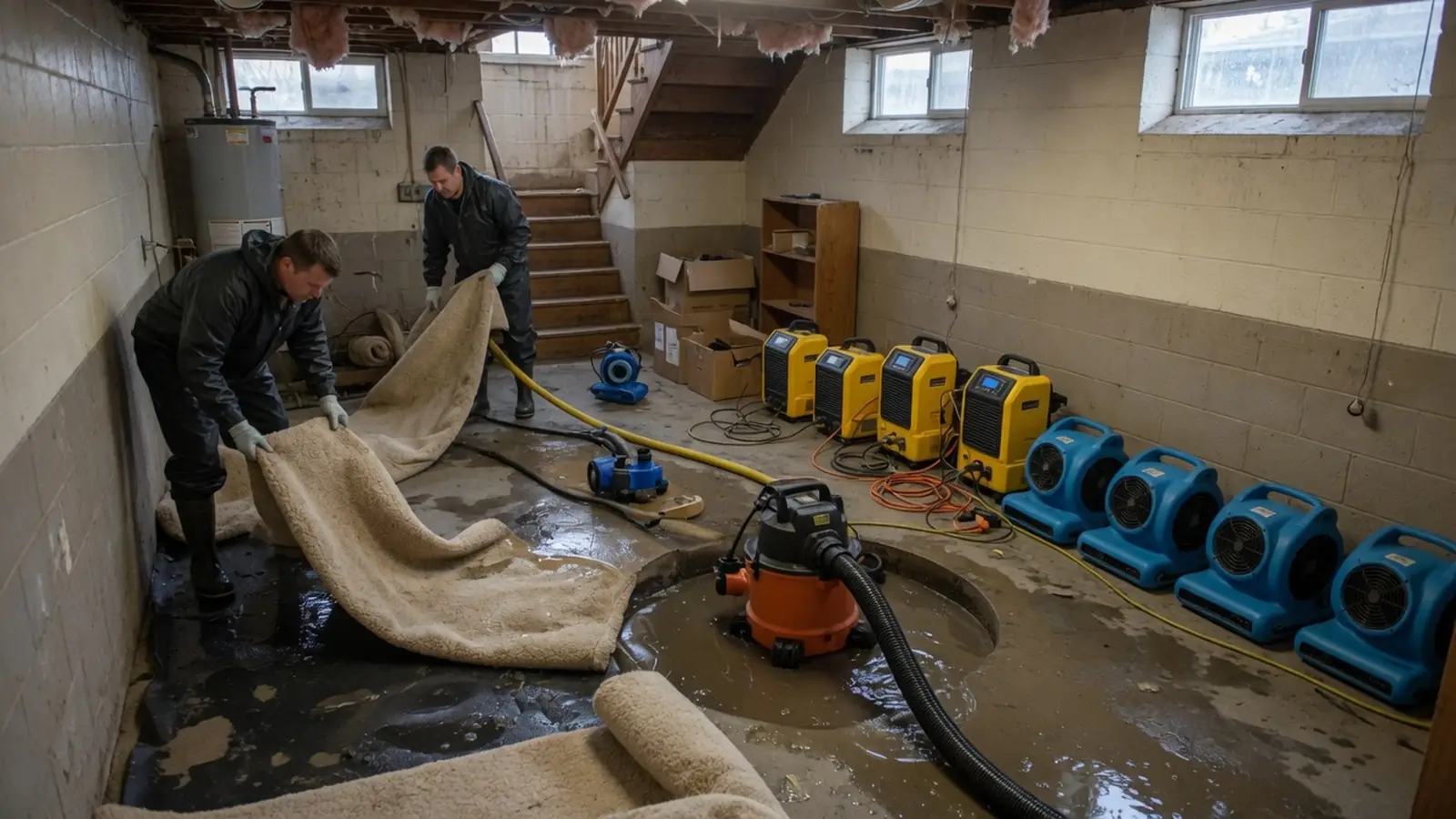
Homeowners face severe and prolonged water intrusion into residential properties from rising lake levels and street flooding during major tropical storms. Our certified remediation specialists deploy heavy-duty extraction equipment and commercial drying systems to restore living spaces safely.
Call (407) 555-0166 if water is still coming in.
Dedicated Moisture Extraction Specialists
Historic homes near Lake Monroe face unique moisture issues during extended seasonal downpours.
Residents need urgent guidance on ripping out saturated drywall and soaked carpets to dry structural framing before mold colonization begins.
Homeowners often describe how quickly stagnant water degrades flooring assemblies and base framing.
Whenever unexpected indoor flooding occurs, scheduling prompt structural drying and extraction services keeps building materials salvageable.
Our field crews arrive fully equipped to eliminate trapped dampness and protect family health.
Systematic Structural Drying Protocol
Following heavy regional weather events, recovering from severe wind and storm damage requires a methodical containment and drying strategy.
- Emergency Assessment And Containment. Technicians map moisture boundaries using thermal imaging and non-penetrating meters to determine exactly how far water traveled across floors and interior wall cavities.
- Water Extraction And Flood Cuts. Property owners seek standard flood mitigation protocols such as the four-foot flood cut, commercial dehumidifier setup, and proper antimicrobial application. Our technicians remove ruined sheetrock along level chalk lines to ventilate soaked stud bays.
- Targeted Drying And Framing Stabilization. Property owners question why restoration crews dry water-damaged drywall slated for replacement instead of immediately demolishing it to reach wet wall studs. We balance structural drying with selective demolition so uncompromised adjacent wall assemblies remain structurally stable.
- Antimicrobial Treatment And Verification. Clogged air conditioner condensate drain pans overflow into attics, soaking insulation and dripping through ceiling drywall to create mold hazards. We apply botanical antimicrobials and monitor daily relative humidity until moisture meters confirm baseline dry standards.
Transparent Moisture Control Standards
A pattern echoed in public discussions is that proper containment prevents spores from spreading throughout living areas. If damp conditions linger after water extraction, explore our certified mold remediation solutions to ensure complete fungal decontamination without surprise fees.
Subfloor Moisture Extraction
Washing machine line failures flood living areas, leaving homeowners unsure how to detect trapped moisture under subfloors and whether baseboards must come off. We deploy specialized floor-mat systems and inject dry air underneath finished floors to prevent warping.
Ceiling Water Damage Repair
Storm-driven roof leaks cause water to pool on upper ceiling drywall, raising concerns about structural sagging and sudden ceiling collapse. Our crew relieves hydraulic pressure safely, removes saturated drywall panels, and dries overhead trusses thoroughly.
Plumbing Leak Drywall Remediation
Discovering soft, damp drywall from a slow plumbing leak causes confusion over whether professional mold remediation is required or simple drywall replacement suffices. We pinpoint hidden pipe leaks, test core moisture levels, and eliminate microbial threats before installing fresh drywall.
Our Commitment To Rapid Flood Response
We approach flood recovery with prompt dispatch, heavy-duty drying equipment, and thorough moisture detection to protect residential structural integrity.
- 14Zip Codes Served
- 4Service Areas
- 3Services Offered
Read honest feedback from local property owners who experienced our rapid water extraction and clean structural drying services firsthand.
“When stormwater rushed into our hallway, the team provided an itemized written quote before touching anything. The final bill matched their initial estimate down to the dollar with zero surprise line items or unexpected fees. That level of transparency brought immense relief during a stressful week.”
Marcus T.
“The clean flood cuts they made along the bottom of our drywall were perfectly straight and level across every room. Their precision made it simple for our drywallers to hang replacement panels with virtually seamless joints. The crew also vacuumed every trace of plaster dust before packing up.”
Brenda K.
“I already gave their contact card to my next-door neighbor after seeing how fast they dried our flooded living area. They brought industrial air movers inside within two hours of my initial call and saved our subfloor. You will not find a more reliable local crew when water enters your home.”
Darren P.
“While removing our damaged baseboards, technicians discovered trapped water that had seeped under an adjacent wall partition. Rather than panicking or delaying the project, the crew shifted their drying mats, adjusted air circulation, and addressed the hidden pocket without missing a beat. Their calm problem-solving saved us from major structural decay.”
Elena R.
Frequently Asked Questions
How quickly should water extraction begin after an indoor flood?
Water extraction should begin within twenty-four to forty-eight hours to stop structural decay and prevent active mold spores from germinating. Prompt action protects subfloors and framing from irreversible water saturation.
What is a standard four-foot flood cut during flood cleanup?
A four-foot flood cut removes saturated drywall up to four feet from the floor to expose framing studs and facilitate rapid structural evaporation. Cutting along standard factory drywall seams also simplifies hanging replacement sheetrock once framing dries completely.
Why do restoration crews dry wet drywall before taking it down?
Crews dry water-damaged drywall before demolition to lower ambient room humidity and prevent airborne fungal spores from circulating into clean areas. Stabilizing moisture levels first prevents wet debris from crumbling unpredictably and damaging subflooring.
Can trapped moisture under hardwood or tile subfloors be saved?
Trapped moisture under subfloors can often be dried using specialized commercial injection mats and dehumidifiers if extraction starts promptly. Technicians monitor wood equilibrium daily to ensure subflooring returns to baseline without buckling.
How do technicians verify that wall cavities and framing are fully dry?
Technicians verify dryness using penetrating moisture meters and thermal imaging to compare structural readings against unaffected dry standards. Drying equipment remains in place until wood studs register balanced moisture content.