
Sanford Mold Remediation
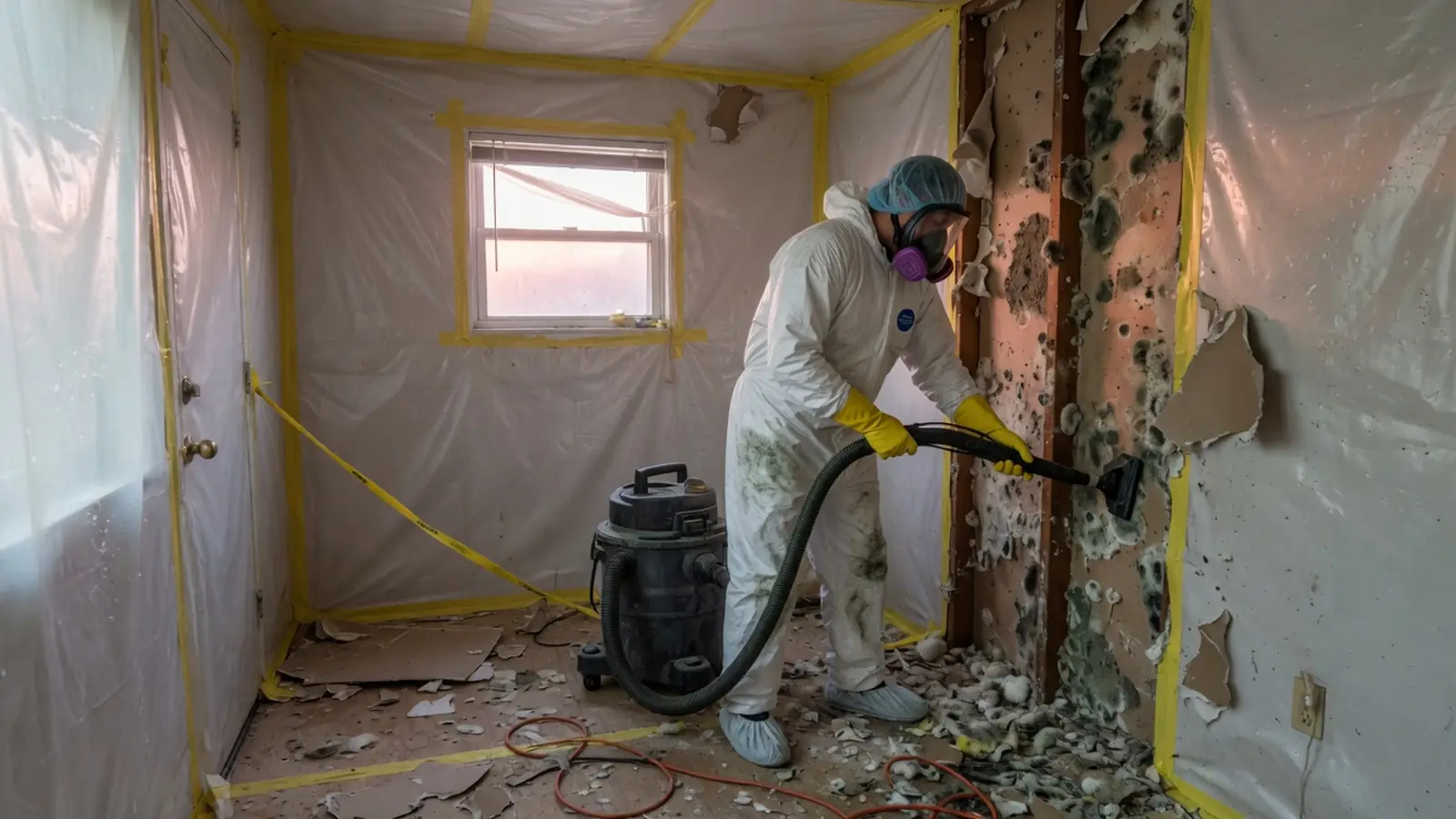
When moisture intrudes, fungal spores spread quickly through framing and wall cavities. In Florida's warm, >75% humidity climate, microbial growth and mold colonization begin within just 48 hours of initial water intrusion. Our remediation specialists deploy negative air filtration and complete containment barriers to protect your household.
Active backup? (407) 555-0166.
Dedicated Remediation Specialists
For properties near Lake Monroe and throughout Seminole County, indoor fungal growth poses serious risks to structural timbers.
Our warm, humid climate accelerates fungal colonization on damp sheetrock, creating viable mold colonies within 24 to 48 hours of an unaddressed moisture event.
A pattern echoed in public discussions is that AC condensate drain lines frequently clog under continuous Florida humidity, turning cooling units into hidden sources of structural water leaks.
We provide comprehensive water damage restoration services for residential properties to stop moisture at the source.
Every contaminated zone is managed with hospital grade HEPA scrubbers to ensure surrounding rooms remain completely clean.
How We Clear Mold Safely
Homeowners often describe how rapidly hidden moisture turns into widespread growth, which is why we pair emergency flood cleanup and water extraction protocols with complete structural decontamination.
- Damage Assessment And Moisture Mapping. Residents need urgent guidance on ripping out saturated drywall and soaked carpets to dry structural framing before mold colonization begins. We map hidden moisture pockets with thermal imaging and calibrate drying equipment.
- Containment And Air Scrubbing. Certified mold remediation isolates contaminated zones with negative air machines and plastic barriers so disturbed spores do not migrate into clean living spaces or air ducts. We maintain continuous negative pressure throughout the work.
- Selective Demolition And Cleaning. When rising waters or severe leaks strike, property owners seek standard flood mitigation protocols such as the four-foot flood cut, commercial dehumidifier setup, and proper antimicrobial application. We remove non-salvageable trim and sheetrock carefully.
- HEPA Vacuuming And Deep Drying. A burst water pipe in a crawlspace leaves standing water and spreading mold colonies across floor joists, requiring specialized antimicrobials and structural drying. We scrub all exposed wood surfaces using HEPA vacuums and botanical fungicides.
Safety And Workmanship Commitment
We never cut corners when handling airborne contaminants. By combining certified containment protocols with structural storm damage repairs and drying solutions, our crew ensures every square foot of framing meets strict clearance standards.
Crawlspace Mold Abatement
A burst water pipe in a crawlspace leaves standing water and spreading mold colonies across floor joists, requiring specialized antimicrobials and structural drying. We extract standing moisture, sanitize joists, and establish lasting vapor barriers.
Sheetrock Demolition And Flood Cuts
Property owners seek standard flood mitigation protocols such as the four-foot flood cut, commercial dehumidifier setup, and proper antimicrobial application. We remove contaminated wallboard cleanly and treat underlying studs.
Attic And AC Leak Remediation
Clogged air conditioner condensate drain pans overflow into attics, soaking insulation and dripping through ceiling drywall to create mold hazards. Our technicians eliminate ceiling mold, replace ruined insulation, and treat joists.
Our Commitment To Mold Remediation Standards
We approach every residential remediation with certified containment practices, commercial HEPA air filtration, and thorough moisture documentation to safeguard indoor air quality.
- 12Zip Codes Served
- 6Service Areas
- 3Services Offered
Read how local homeowners experienced our clean, careful approach when fungal issues threatened their living spaces.
“My elderly mother has severe respiratory sensitivity, so keeping dust and spores contained was our top concern. The crew took extra time setting up airtight zippered plastic doorways and venting the air machines completely outside. They treated her comfort with genuine care and left the hallway immaculate.”
Arthur M.
“Heavy afternoon downpours delayed the initial delivery of the drying gear, but the crew stayed late into the evening to secure the containment barriers. They worked through the night running dehumidifiers to get our framing dry right on schedule. That dedication saved our subfloor.”
Clara D.
“Our strict subdivision HOA questioned the large exhaust ducting and trailer parked near the curb. The team spoke directly with the board inspector, clearly explaining the negative air setup and safety protocols. Their professionalism resolved all neighbor concerns immediately.”
Julian P.
“Four months have passed since the remediation under our master bathroom vanity, and the musty odor has never returned. Even during peak summer humidity, the indoor air remains fresh and completely clean. Choosing them gave us total peace of mind.”
Valerie K.
Frequently Asked Questions
When drywall feels soft from a slow plumbing leak, do I need remediation or simple replacement?
Professional remediation is required if mold spores have penetrated behind the wall, whereas simple drywall replacement suffices for sterile moisture. Discovering soft, damp drywall from a slow plumbing leak causes confusion over whether professional mold remediation is required or simple drywall replacement suffices. When fungal colonies form on the gypsum backing or timber studs, containment and HEPA vacuuming are essential to prevent cross-contamination.
Can mold behind baseboards and sheetrock be treated with biocides without demolition?
Surface biocides alone cannot neutralize active colonies inside wall cavities, making physical demolition and HEPA vacuuming necessary for clearance. Homeowners often ask whether indoor mold behind baseboards and sheetrock can be neutralized with surface biocides, or if physical demolition and HEPA vacuuming is necessary. Because dead fungal fragments remain allergenic, porous materials must be physically extracted under negative air.
How quickly does mold spread after water intrusion in local homes?
Viable fungal colonies develop on damp building materials within twenty-four to forty-eight hours under regional heat and elevated indoor humidity. When indoor relative humidity stays above seventy-five percent, dormant spores activate across drywall backing and flooring adhesives, making prompt extraction vital.
What is the standard procedure for flood cuts and water extraction?
Standard flood protocol requires cutting away sheetrock twelve to twenty-four inches above the moisture line to dry out interior structural framing. Technicians install high-capacity commercial dehumidifiers, set up air movers, and apply specialized EPA-registered antimicrobials to eliminate residual spores.
How do technicians prevent mold spores from spreading into unaffected rooms?
Technicians isolate work areas using heavy plastic sheeting and run industrial negative air machines equipped with medical-grade HEPA filters. This negative pressurization prevents disturbed airborne particles from entering ductwork or adjoining living areas during demolition and structural cleaning.